

Disclosure: When you make a purchase through the links from this page, we earn an affiliate commission from our trusted partners at no extra cost to you. Read our affiliate policy here.
Fall 2026: Dates, Holidays, Trends & Everything You Need to Know About Autumn
Updated February 2026 with this year’s fall dates, seasonal events, and emerging autumn trends. Fall 2026 begins on September 22, 2026, and ends on December 21, 2026.
Fall 2026 begins on Tuesday, September 22, bringing the autumnal equinox and the official start of the season in the Northern Hemisphere. As we look ahead to the cozy colors and seasonal traditions of autumn, there’s a lot to explore—from key dates and holidays to the trends shaping fall this year. From the autumnal equinox to celestial events like supermoons and meteor showers, fall 2026 brings unique moments to enjoy the season. Beyond the special fall events and calendar dates, this season is also shaping up to reflect a noticeable shift in how we experience fall at home — with deeper colors, nature-inspired details, and a renewed appreciation for nostalgic seasonal traditions.
Whether you’re wondering when the first day of fall arrives, planning your favorite autumn celebrations, or looking for inspiration on this year’s biggest fall decor and trends, this guide covers everything you need to welcome the season. In this post, we’ll explore important fall dates, traditions, celestial events, and the emerging themes defining autumn 2026.
After several years of bright, airy autumn aesthetics, fall 2026 is leaning moodier, richer, and more connected to nature.
What Is Fall 2026?
Fall 2026 refers to the autumn season in the Northern Hemisphere, beginning on September 22, 2026, and ending on December 21, 2026. It includes major seasonal events, holidays, and traditions that take place throughout September, October, November, and early December.

The Complete Guide to Fall 2026: First Day of Fall, Autumn Dates, Traditions & Seasonal Events
The first day of fall marks a shift in seasons, bringing cooler temperatures, shorter days, and beautiful foliage. One of the key events that signals the arrival of autumn is the autumnal equinox, which happens around the same time every year. In this section, we'll answer some of the most commonly asked questions about the first day of fall and the equinox, including how it impacts the length of days, why it occurs, and how long the season lasts.
When is the first day of fall 2026?
In 2026, the first day of fall is Tuesday, September 22, 2026. In 2025, the first day of fall also occurred on September 22. This date marks the beginning of the fall season in the Northern Hemisphere and is when the autumnal equinox occurs. It's the perfect time to embrace the season's transition from the warm summer to crisp autumn.
When does fall 2026 end?
Fall ends on December 21, 2026, at the winter solstice. This is the shortest day of the year in the Northern Hemisphere and the official start of astronomical winter.
What is the fall equinox, and why does it happen?
The fall equinox is the moment when the Earth's axis is not tilted toward or away from the sun, resulting in nearly equal amounts of daylight and darkness. It happens twice a year—once in the spring and once in the fall. This is due to the Earth's orbit around the sun, which causes the planet's tilt to align in a way that neither hemisphere is favored in terms of sunlight.
Why are day and night almost equal on the fall equinox?
Day and night are nearly equal in length on the fall equinox because the Earth tilts in such a way that the sun shines directly on the equator. This results in both the Northern and Southern Hemispheres receiving equal amounts of sunlight, creating a balance of day and night.
Does the first day of fall change every year?
Yes, the first day of fall changes each year. It typically falls between September 21 and 23. The day can vary because the Earth's orbit around the sun is not a perfect 365-day cycle, so the equinox timing shifts slightly each year.
Why do the days get shorter after the fall equinox?
After the fall equinox, the Northern Hemisphere begins to tilt away from the sun, causing the days to shorten and the nights to lengthen. This is a natural result of the Earth's axial tilt, which is responsible for the changing lengths of days throughout the year.
When is fall 2026?
In 2026, fall lasts for 90 days, beginning with the autumnal equinox on September 22 and ending at the winter solstice on December 21. Fall 2025 was also a 90-day season, beginning on September 22 and lasting until December 21. The length of fall is consistent each year, as the equinoxes and solstices mark the official start and end points of the season.

Autumn Weather
When fall approaches, we often notice changes in the weather that signal the shift from summer warmth to cooler temperatures. The fall equinox plays a key role in marking the start of this transition, but it also raises some questions about how the weather behaves during this time of year. We'll explore how the equinox affects the weather and explain the difference between meteorological and astronomical fall.
How does the fall equinox affect the weather?
The fall equinox itself doesn't directly change the weather, but it marks the start of the cooling trend in the Northern Hemisphere. As the equinox occurs and days begin to shorten, temperatures typically drop, leading to the onset of fall weather. The Earth's tilt causes less direct sunlight, which results in cooler days and longer nights. This gradual shift often brings more variable weather patterns, from warm summer days to chillier evenings, setting the tone for the autumn season.
What's the difference between meteorological fall and astronomical fall?
Astronomical fall is based on the position of the Earth relative to the sun:
- Begins: September 22, 2026 (autumnal equinox)
- Ends: December 21, 2026 (winter solstice)
Meteorological fall is based on the annual temperature cycle and calendar months:
- Begins: September 1
- Ends: November 30
The difference between meteorological and astronomical fall lies in how the seasons are defined. Astronomical fall is based on the position of the Earth in relation to the sun, specifically marked by the fall equinox (around September 22-23) and ending with the winter solstice (around December 21-22). It's a more natural, astronomical method of determining the start and end of fall. Meteorological fall is based on the calendar months and is defined as the period from September 1 to November 30. Meteorologists use this system for consistency and ease of tracking weather patterns and statistics, as it divides the year into four fixed seasons with three months each.

Space & Celestial Events Fall 2026
Autumn is a wonderful time for stargazers, with crisp nights and clear skies perfect for catching celestial wonders. The 2026 fall season is packed with mesmerizing meteor showers, supermoons, and other cosmic events, making autumn an excellent time to look up. Whether you're hoping to catch a shooting star or witness the beauty of a supermoon, fall 2026 has plenty to offer for anyone looking to explore the night sky.
Autumn Meteor Showers:
- Orionids: Active from October 2 to November 12, 2026 peaking on October 21-22. The Orionid meteor shower is one of the most anticipated events of fall, known for its fast-moving meteors and bright trails. The Orionids are associated with Halley's Comet, which leaves behind a trail of dust that the Earth passes through each year. While the shower can produce up to 20 meteors per hour, you can see it best after midnight when the radiant point (near the constellation Orion) is high in the sky.
- Draconids: Active from October 6 to 10, 2026 with a peak around October 8-9. This shower is unique because you can observe it best in the early evening, unlike most meteor showers that peak after midnight. The Draconid meteors are associated with Comet 21P/Giacobini-Zinner. They can produce spectacular bursts of activity, though the shower is generally known for its unpredictability. It's a great event for early risers or those who prefer to enjoy meteor-watching without staying up too late.
- Southern Taurids: Active from late September through early November. The Southern Taurids are a relatively low-activity shower, with only about 5 meteors per hour at their peak. However, they are famous for producing occasional bright fireballs, which can light up the sky in spectacular bursts. These meteors come from Comet 2P/Encke. While the shower is slow-moving, it offers a serene and memorable meteor-watching experience.
- Northern Taurids: Active into December. Like the Southern Taurids, the Northern Taurids are a low-activity shower. However, the meteors tend to be a bit brighter. The Northern and Southern Taurids are considered part of the same meteor complex. This shower can provide slow-moving meteors, which may make for a pleasant and peaceful skywatching experience.
- Leonids: Active from November 6 to November 30, peaking on November 16-17. The Leonid meteor shower is famous for producing occasional meteor storms, where hundreds of meteors per hour can light up the sky. The shower is associated with Comet Tempel-Tuttle and is typically one of the most dramatic meteor showers when it peaks. While the Leonids can be unpredictable, even a regular peak can deliver dazzling displays of meteors.
- Geminids: Active from early to mid-December, with a peak around the night of December 13-14. The Geminid meteor shower is one of the most prolific meteor showers, producing up to 120 meteors per hour at its peak. Known for their bright, intensely colored trails, the Geminids are one of the most beautiful meteor showers of the year. The meteors originate from Asteroid 3200 Phaethon, and the shower is visible across much of the globe, making it an accessible event for stargazers everywhere.
- Ursids: Active mid-December (around the winter solstice), peaking on the night of December 21-22. The Ursid meteor shower is a relatively low-key event, producing only about 5-10 meteors per hour at its peak. However, it's a good option for those in the Northern Hemisphere who might have missed the larger showers earlier in the season. The Ursids are associated with Comet 8P/Tuttle and tend to produce meteors that travel slower than other showers, offering a more tranquil viewing experience.
Fall 2026 Supermoons:
In addition to meteor showers, fall and early winter brings some of the year’s most striking full moons, including a couple that qualify as supermoons, making it appear slightly larger and brighter in the sky.
- Beaver Supermoon: On November 24, 2026, this bright late‑autumn full moon is often called the Beaver Moon and occurs when the moon is closest to Earth for that lunar cycle. Supermoons like this can appear especially luminous in the night sky, making them a great target for casual moon watchers.
- Cold Supermoon: On December 23, 2026, as winter begins, the Cold Moon lights up the night just before the winter solstice. This supermoon is also one of the closest full moons of the year, meaning it can look even brighter and larger than usual.
This year's harvest moon on September 26, 2026 does not qualify as a supermoon based on its distance from Earth, but this is the full moon nearest the autumnal equinox, historically prized for its bright early evening glow.
These celestial events are just a few highlights that make fall 2026 a remarkable time for skywatching. Whether you're an avid stargazer or just enjoy the beauty of the cosmos, the autumn skies are full of unforgettable wonders.

Seasonal Favorites & Traditions
Fall brings a host of cherished traditions that help us celebrate the season's beauty. From the vibrant colors of autumn leaves to the comforting tastes of seasonal foods, fall is a time when the senses come alive. It's also the time of year when cozy decorations and seasonal flavors debut. Here's a closer look at some of the most anticipated fall traditions and when to expect them in 2026.
When do the leaves start changing colors?
The leaves changing to vibrant fall colors is one of the season's most anticipated events. Leaves typically start changing colors in early to mid-September in northern regions of the U.S., with the peak of color occurring in October. In southern areas, the changes may not be as dramatic, but leaves can still begin to shift around late October to early November. The exact timing can vary based on the weather and climate conditions, but cooler temperatures and shorter daylight hours are key triggers for the beautiful transformation.
What are some foods in season during fall?
Fall is a season rich in flavorful, hearty foods. Pumpkins, apples, squash, and sweet potatoes are some of the most iconic fall staples. Pears, cranberries, brussels sprouts, and mushrooms also shine during this time of year. Root vegetables like carrots and beets come into season, along with spices like cinnamon, nutmeg, and cloves, which help add warmth and comfort to autumn dishes. Whether it's a delicious pie or a roasted vegetable dish, fall's food offerings are perfect for cozy meals.
When do stores start selling fall decor?
Stores typically begin selling fall decor in late August to early September, right as the first signs of autumn appear. Many stores strategically roll out their fall collections right after Labor Day, adding to the excitement surrounding the change of seasons. By the end of September, shelves are fully stocked with pumpkin-themed items, autumnal wreaths, scented candles, and other seasonal decor to help people celebrate the beauty of the fall season.
When do pumpkin spice lattes come out?
The highly anticipated pumpkin spice latte (PSL) typically makes its return at Starbucks and other coffee shops in late August to early September. Over the last few years, the PSL returned from August 22 to 30. In 2026, you can expect the PSL to debut around the last week of August. The drink's popularity has become a hallmark of the season, welcoming in the cozy vibes of fall. The PSL usually stays on the menu until the end of November, making it a perfect treat for those craving a taste of autumn.

2026 Fall Holidays, Observances & Celebrations
Fall is a season filled with festive celebrations, from fun food-themed days to major holidays that bring people together. Whether you're sipping a warm cup of coffee, carving pumpkins, or gathering with loved ones for Thanksgiving, autumn is packed with special occasions that highlight the best of the season.
Fall in the Northern Hemisphere typically runs from late September through late December, bringing a mix of cultural celebrations, seasonal traditions, and cozy milestones that mark the transition toward winter. Here's a look at some of the notable fall celebrations in 2026 and how you can enjoy them.
September Holidays
- Labor Day (U.S.) — Monday, September 7, 2026
- Patriot Day — Friday, September 11, 2026
- Grandparents Day — Sunday, September 13, 2026
- First Day of Fall / Autumnal Equinox — Tuesday, September 22, 2026
- Rosh Hashanah — begins evening of Friday, September 11, 2026
- Hispanic Heritage Month — Tuesday, September 15 – Thursday, October 15
- Yom Kippur — begins evening of Sunday, September 20, 2026
October Holidays
- Indigenous Peoples’ Day / Columbus Day — Monday, October 12, 2026 (second Monday in October)
- Halloween — Saturday, October 31, 2026
November Holidays
- Daylight Saving Time Ends — Sunday, November 1, 2026
- Dia De Los Muertos — Sunday, November 1, 2026 – Monday, November 2, 2026
- Diwali — Sunday, Nov 8, 2026
- Veterans Day — Wednesday, November 11, 2026
- Thanksgiving (U.S.) — Thursday, November 26, 2026
- Black Friday — Friday, November 27, 2026
- Small Business Saturday — Saturday, November 28, 2026
- Cyber Monday — Monday, November 30, 2026
December Late Fall/Holiday Transition
- Hanukkah — begins evening of Friday, December 4, 2026
- Winter Solstice (Last Day of Fall) — Monday, December 21, 2026
- Christmas Eve — Thursday, December 24, 2026
- Christmas Day — Friday, December 25, 2026
- Kwanzaa — Saturday, December 26, 2026 – January 1, 2027
Honorable Mentions: Fun Fall Social Holidays
Beyond the big holidays, fall brings a collection of fun and cozy “unofficial” celebrations that capture the spirit of the season in smaller ways. Whether it’s celebrating pumpkins, plaid, coffee, or comfort foods, these social holidays offer simple reasons to lean into autumn and enjoy the little moments that make this time of year feel special.
National Coffee Day (September 29, 2026)
If you're a coffee lover, National Coffee Day is the perfect excuse to enjoy an extra cup (or two) of your favorite brew. Many coffee shops and cafes offer special promotions, free coffee, or discounts to mark the occasion. Whether you prefer a classic black coffee, a frothy cappuccino, or a seasonal pumpkin spice latte, this day is all about celebrating one of the world's most beloved beverages.
National Apple Day (October 21, 2026)
Celebrated in many parts of the world, National Apple Day is a time to appreciate the crisp, delicious fruit that defines fall. Whether you're picking apples at an orchard, baking a homemade apple pie, or sipping on fresh apple cider, this day is all about enjoying the many varieties and flavors apples have to offer. It's also a great time to explore apple-based recipes or visit a fall festival.
Plaidurday (October 2, 2026 – First Friday of October)
Plaidurday, known as the "worldwide celebration of plaid," is a fun and cozy way to embrace fall fashion. On the first Friday of October, plaid lovers everywhere don their best flannel shirts, scarves, and blankets to celebrate this timeless pattern. Whether you're heading outdoors for a fall walk or enjoying a bonfire with friends, Plaidurday is a lighthearted way to welcome the season in style.
National Pumpkin Day (October 26, 2026)
National Pumpkin Day is a time to celebrate the star of the fall season! Whether you're carving jack-o'-lanterns, baking pumpkin pie, or enjoying a pumpkin spice treat, this day is all about appreciating the versatility of pumpkins. From decorations to delicious recipes, pumpkins bring warmth and joy to fall festivities.
2026 Fall Aesthetic Forecast: Trends, Colors, Decorating Ideas & The Overall Vibe
While fall is defined by astronomical moments and seasonal traditions, each year also brings subtle shifts in how we experience the season — from the colors we decorate with to the atmosphere we create at home. Over the past few years, autumn decor has leaned light and airy, favoring neutral palettes and farmhouse-inspired simplicity. But as we move into fall 2026, a different vibe is beginning to take shape.
This year’s autumn aesthetic feels deeper, more atmospheric, and more connected to nature. Across home decor, lifestyle trends, and seasonal styling, we’re seeing a move toward richer colors, layered textures, and spaces that feel warm, nostalgic, and immersive. Rather than bright minimalism, fall 2026 embraces mood, storytelling, and a stronger sense of seasonal identity.
Below, we’re breaking down the key themes shaping fall this year and how they’re influencing everything from decorating styles to the way we celebrate the season at home. Fall 2026 isn’t defined by a single look — but by three distinct themes emerging at the same time.

Trend 1: Moody Autumn – Dark & Atmospheric Fall Style
For fall 2026, one of the most noticeable shifts is a move toward a deeper, more atmospheric interpretation of autumn. This isn’t about Halloween decor or spooky styling, but rather a quieter, more introspective mood that reflects how many people naturally experience the season as daylight fades and routines slow down.
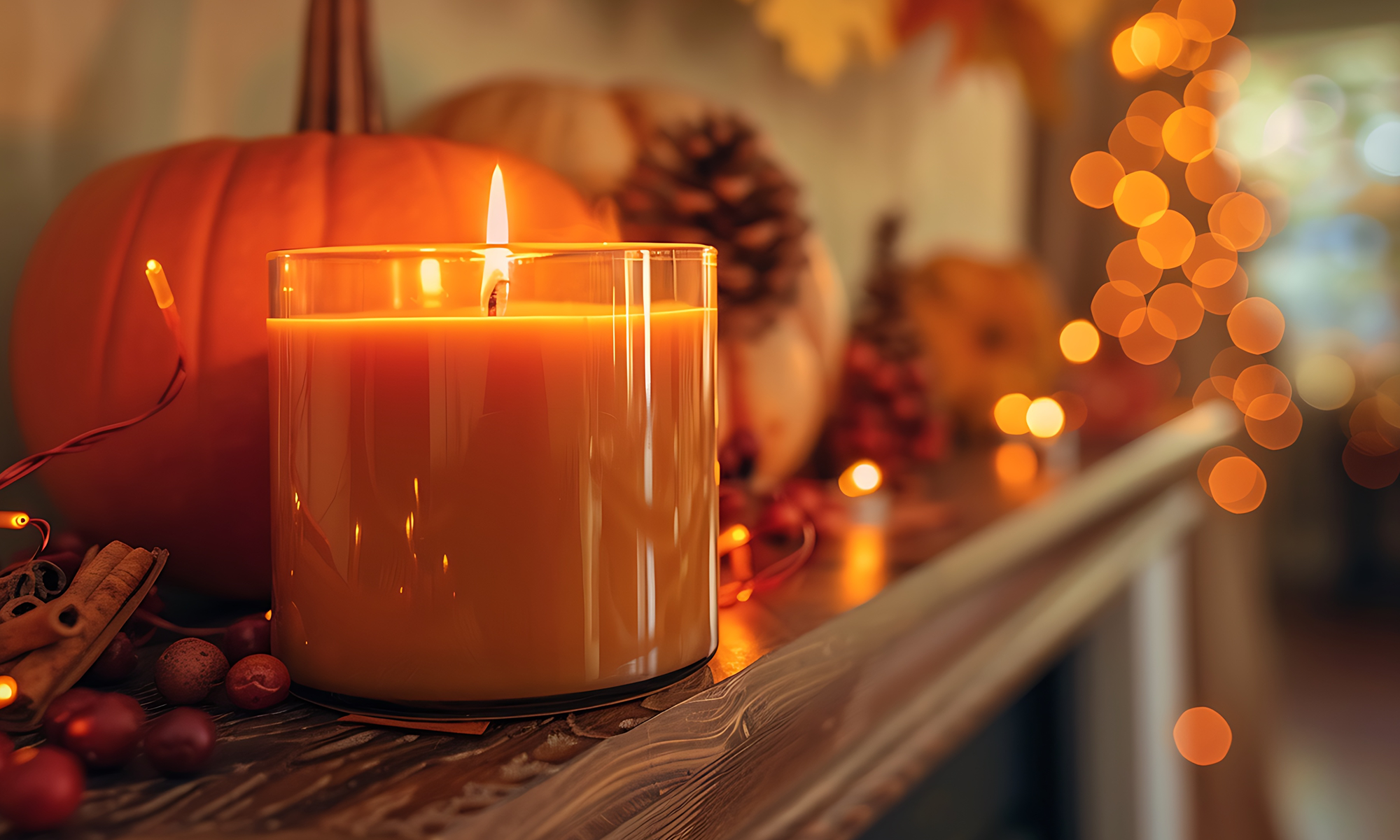
While recent years favored light neutrals and airy farmhouse-inspired spaces, this fall leans into richness and contrast. Think warm shadows instead of bright sunlight, candlelight instead of overhead lighting, and layered textures that create a sense of comfort and retreat. The overall feeling is less about decoration and more about atmosphere. It’s about creating spaces that feel grounding, calm, and slightly mysterious in the best possible way.
For some, this deeper side of fall has always been part of the season. Autumn has long carried themes of transition, reflection, and preparation for quieter months ahead. What feels different in 2026 is that this mood is moving into the mainstream. Across home decor, color trends, and seasonal styling, darker tones and cocoon-like interiors are taking center stage, signaling a collective shift toward warmth, depth, and emotional comfort.
Color palettes reflect this evolution with shades like deep olive green, chocolate brown, burgundy, charcoal, and muted rust replacing lighter creams and pale pumpkins. Materials like textured knits, aged metals, natural woods, smoked glass, and soft ambient lighting help create spaces that feel layered and lived-in rather than perfectly styled.

Bringing this trend into your home doesn’t mean abandoning traditional fall decor. Instead, it’s about adjusting the mood: swapping bright whites for warmer neutrals, incorporating candlelight or soft lamps, mixing in vintage-inspired pieces, and allowing spaces to feel a little moodier and more relaxed. The goal isn’t darkness for its own sake, but comfort that creates an environment inviting slow evenings, quiet mornings, and a deeper connection to the season itself.
In many ways, Moody Autumn represents a return to fall’s emotional roots that embraces the calm, reflective energy that arrives as summer fades and the world gently prepares for rest. This deeper atmosphere also pairs naturally with another growing influence this season, a renewed connection to nature and the outdoors.

Trend 2: Forestcore Fall – Nature-Inspired Decor & Ideas
Alongside the shift toward moodier interiors, fall 2026 is also embracing a deeper connection to nature but in a way that feels more grounded and immersive than the cottagecore trends of recent years. Rather than soft florals and storybook countryside charm, this season draws inspiration from forests, changing landscapes, and the raw textures of the natural world during autumn’s transition.
Forestcore Fall centers on bringing the outdoors inward in subtle, organic ways. Mossy greens, bark browns, muted golds, and stone-inspired neutrals reflect the colors found on woodland walks and late-season hikes. Decorations feel less polished and more collected, as if gathered over time. Think branches in ceramic vases, natural wood accents, woven baskets, and textiles that echo the textures of wool, linen, and aged leather.
This shift mirrors a growing desire for spaces that feel calming and restorative. As daily life becomes increasingly digital and fast-paced, nature-inspired environments offer a sense of grounding. Fall, with its cooling air and visible seasonal change, naturally encourages this reconnection, making forest-inspired decor feel especially relevant in 2026.

Unlike past trends that focused on overt seasonal motifs, Forestcore Fall is understated. Pumpkins may appear in softer, earthy tones rather than bright orange, and greenery often takes center stage alongside traditional autumn elements. Think eucalyptus, dried grasses, pinecones, and organic arrangements that feel effortless rather than styled.
Incorporating this trend can be as simple as layering natural materials throughout your home — wooden serving pieces in the kitchen, textured throws in earthy hues, or decor that highlights imperfect, handmade qualities. The goal isn’t to recreate a rustic cabin, but to introduce small reminders of the outdoors that make everyday spaces feel grounded and seasonal.
Together with the darker, more introspective mood emerging this year, Forestcore Fall reflects a broader movement toward slowing down and reconnecting with the rhythms of the natural world, a theme that feels increasingly central to how people want to experience autumn. As nature and atmosphere take a stronger role in shaping fall’s aesthetic, another influence is emerging is a renewed appreciation for pieces that feel timeless, nostalgic, and collected over generations.

Trend #3: Vintage Harvest – Nostalgic Fall Traditions & Style
Completing the picture for fall 2026 is a renewed appreciation for nostalgia through decor and traditions that feel familiar, meaningful, and enduring. As interiors grow moodier and more nature-inspired, many are also embracing pieces that carry a sense of history, creating homes that feel layered over time rather than styled for a single season.
Vintage Harvest reflects a shift away from perfectly coordinated decor toward collected charm. Antique-inspired accents, classic patterns, and well-worn textures are reappearing alongside seasonal staples, giving fall spaces a sense of warmth and authenticity. Quilted textiles, brass or copper finishes, stoneware dishes, woven baskets, and handmade ceramics all contribute to an aesthetic that feels personal and lived-in.
This trend also reconnects autumn decorating with tradition itself. Baking seasonal recipes, setting tables for shared meals, displaying heirloom-style kitchenware, or bringing out decor that returns year after year all play a role in how people are redefining fall at home. Rather than purchasing entirely new seasonal collections, many are mixing older pieces with modern finds, allowing decor to feel more intentional and less disposable.

Color palettes naturally overlap with the season’s darker and nature-driven influences including warm creams, faded florals, muted plaids, deep reds, and harvest-inspired tones that feel softened by time. Imperfection becomes part of the appeal, whether through aged finishes, handmade details, or decor that tells a story.
In many ways, Vintage Harvest represents a desire for comfort and continuity. As trends move toward slower living and more meaningful seasonal experiences, fall 2026 celebrates the rituals and objects that make autumn feel familiar year after year, reminding us that the most lasting seasonal style often comes from tradition rather than novelty.
Taken together, these emerging themes suggest that fall 2026 isn’t defined by a single look, but by a shared feeling — one that favors depth over brightness, nature over perfection, and meaningful seasonal rituals over fleeting trends. As we move further into the season, these influences appear not only in decor, but in how people gather, slow down, and intentionally welcome autumn at home.
Why Fall Feels Different This Year
As fall 2026 approaches, the season feels less about rushing into decorations or checking off traditions and more about slowing down and noticing the natural rhythm of autumn itself. The growing pull toward moodier spaces, nature-inspired details, and nostalgic comforts reflects something deeper — a desire to reconnect with the season as an experience, not just a moment on the calendar.
Interestingly, this shift brings renewed attention to the milestones that have always defined fall: the changing light after the autumnal equinox, cooler evenings settling in, seasonal celebrations returning, and the small traditions that signal the transition into a new part of the year.
While decor trends evolve, the foundation of fall remains tied to these seasonal markers. Understanding when fall officially begins, how the equinox works, and what events shape the season helps ground all of those cozy rituals and atmospheric moments in something real and cyclical.
So let’s get into the basics like when fall actually begins in 2026, what the autumnal equinox means, and the key seasonal moments that shape the months ahead.
Make The Most of Autumn 2026
From the science behind the autumnal equinox to the best meteor showers and beloved fall celebrations, there's so much to enjoy and explore. Whether you're savoring seasonal flavors, admiring the changing leaves, or gazing up at a brilliant supermoon, fall is a season filled with wonder. No matter how you choose to celebrate, we hope this post answered your questions about autumn 2026 and helps you make the most of the season ahead!
Stay up to date on all things fall! Subscribe to our newsletter for seasonal tips, decor inspiration, and the latest fall trends delivered straight to your inbox. 🍂✨

Leave a comment
This site is protected by hCaptcha and the hCaptcha Privacy Policy and Terms of Service apply.